
Call us now :08045479465
 Send Inquiry
 Send Inquiry
Antibiotic Zone Reader
MOQ : 1 Unit
Antibiotic Zone Reader Specification
- Product Type
- Zone Reader
- Color
- White
- Voltage
- 220 Volt (v)
- Material
- Mild Steel, Stainless Steel
- Application
- Laboratory
Antibiotic Zone Reader Trade Information
- Minimum Order Quantity
- 1 Unit
- Supply Ability
- 1 Unit Per Day
- Delivery Time
- 15-30 Days
- Main Domestic Market
- All India
About Antibiotic Zone Reader
- Antibiotic ZoneReader
- Range 0 to 350 Leastcount 0.2 mm Vernier Rotary Scale
- -The Zone Reader measures the diameter of the Inhabited Zone
- To 0.1mm within range of 0 to 35mm.
- Light from source in the base passes upthrough the transparent and semitransparent portion of the Agar then to a reflecting
- Mirrorsupported by an arm above the unit.
- The mirror reflects the light to a glass prism mounted at the front of the unit and them agnified image of the zone of Inhabitantsis clearly visible on the prism
Efficient Measurement for Laboratory Analysis
The Antibiotic Zone Reader streamlines the process of assessing antibiotic efficacy. By providing quick and accurate measurements, it aids in routine laboratory examinations and contributes to better experimental reproducibility. Its robust build ensures longevity even with intensive daily use, making it ideal for professional environments.
Premium Quality and Design
Manufactured using high-grade mild steel and stainless steel, the reader is engineered for both reliability and ease of maintenance. The sleek white color complements laboratory aesthetics while its design facilitates easy cleaning and handling, ensuring hygienic usage.
FAQs of Antibiotic Zone Reader:
Q: How does the Antibiotic Zone Reader work in a laboratory setting?
A: This device measures the diameter of inhibition zones surrounding antibiotic samples on petri dishes, helping determine the effectiveness of various antibiotics under controlled conditions.Q: What materials are used in the construction of the Antibiotic Zone Reader?
A: The reader is constructed from sturdy mild steel and stainless steel, ensuring resistance to corrosion and durability within laboratory environments.Q: Where is the Antibiotic Zone Reader manufactured and who supplies it?
A: The product is manufactured, exported, and supplied by a reputable company based in India, catering to laboratories across the country and internationally.Q: When should the Antibiotic Zone Reader be used in laboratory testing?
A: It is typically used during antibiotic susceptibility tests when accurate measurement of inhibition zones is essential for data analysis and research outcomes.Q: What is the voltage requirement for the operation of the Antibiotic Zone Reader?
A: The device operates at a standard voltage of 220 Volts, making it compatible with common laboratory power supplies.Q: What is the benefit of using this reader over manual measurement?
A: Using the Antibiotic Zone Reader increases measurement accuracy, reduces human error, and speeds up the analysis process, yielding dependable and reproducible results.Q: What is the process of using the Antibiotic Zone Reader for zone measurement?
A: Place the petri dish under the reader, align the zone of inhibition, and allow the instrument to digitally or optically measure the diameter, recording the results for further analysis.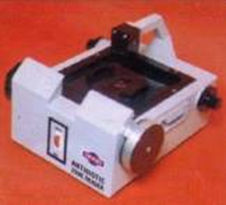
Tell us about your requirement

Price:
Quantity
Select Unit
- 50
- 100
- 200
- 250
- 500
- 1000+
Additional detail
Mobile number
Email

More Products in Laboratory Instruments and Equipments Category
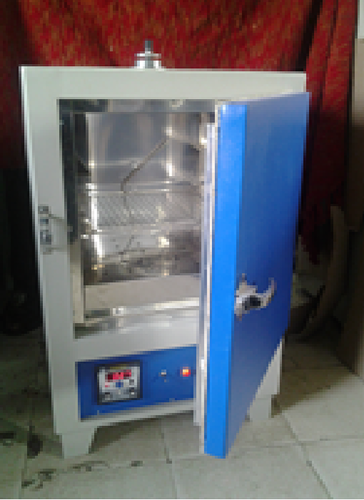
Hot Air Oven Lab Model
Price Range 6000.00 - 50000.00 INR
Minimum Order Quantity : 1 Unit
Color : Blue, Grey
Material : Mild Steel, Stainless Steel
Voltage : 110380 Volt (v)
Power : 0.85 Kw Watt (w)
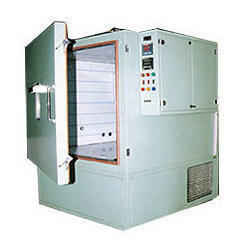
environmental-chamber
Price Range 6000.00 - 50000.00 INR
Minimum Order Quantity : 1 Unit
Color : White
Material : Mild Steel, Stainless Steel
Voltage : 220380 Volt (v)
Power : Electric
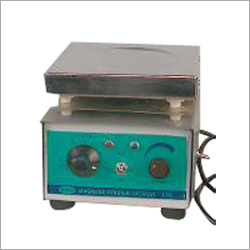
Magnetic Stirrer With Hot Plate
Price Range 6000.00 - 50000.00 INR
Minimum Order Quantity : 1 Unit
Color : Green, Silver
Material : MS, SS
Voltage : 220 Volt (v)
Power : Electric
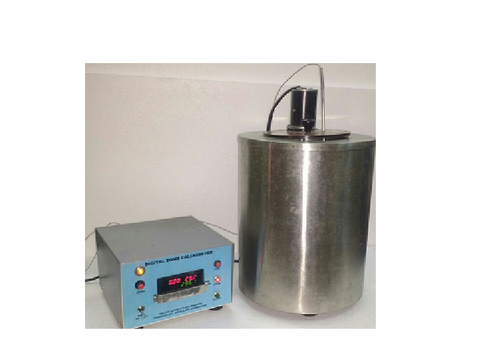
Bomb Calorimeter
Price Range 6000.00 - 50000.00 INR
Minimum Order Quantity : 1 Unit
Color : White
Material : Mild Steel, Stainless Steel
Voltage : 220230 Volt (v)
Power : Electric Watt (w)


 Send Inquiry

Arhan Society, 1st floor, 105 to 107, Opp. Datta Mandir, Via V-Trans, Dombivli - 421204, Maharashtra, India

Mr Mahadev Pandurang Tamse
(Proprietor)
Mobile :08045479465
 Send Inquiry
 Send SMS
Developed and Managed by Infocom Network Private Limited.
